


Iraq

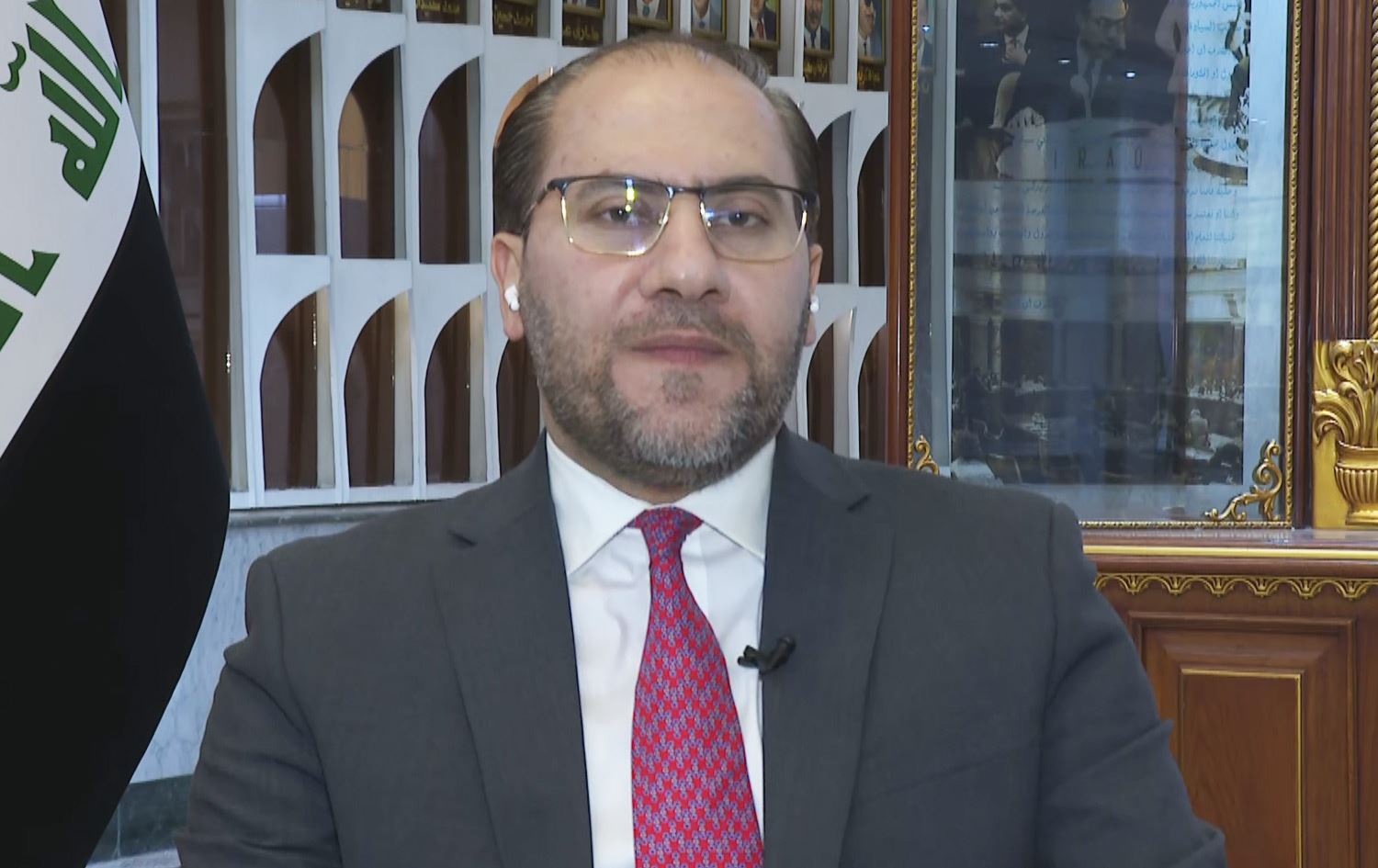
Ahmed al-Sahaf, spokesperson for Iraq's foreign ministry, speaking to Rudaw on March 8, 2022. Photo: Rudaw/Screenshot
ERBIL, Kurdistan Region - The Iraqi government has managed to support the withdrawal of around a thousand of its citizens from Ukraine as the Russian invasion of the country continues, a spokesperson for Iraq’s foreign ministry told Rudaw on Tuesday.
"So far the Iraqi embassy [in Ukraine] has taken around a thousand Iraqis out [of Ukraine], with some arriving in Poland and others arriving in Romania,” Ahmed al-Sahaf, spokesperson for Iraq's foreign ministry, told Rudaw’s Rozhan Abubakir.
“The number of Iraqi diaspora [in Ukraine] is 5,535, living in different parts of Ukraine. They have families. This includes 450 Iraqi students studying in 37 universities,” he noted.
The Iraqi government is closely monitoring the condition of its citizens in Ukraine and is in close coordination with the Ukrainian government over whether to move them to neighbouring countries or return them home, according to the spokesperson.
Russia launched a military operation against Ukraine late last month, and controls several areas of the country so far. Millions of Ukrainians have fled to the eastern province of Lviv and abroad. Despite calls from the international community, Moscow seems determined to continue the offensive.
Western countries have until now refused to become directly involved in the Ukraine-Russia war to avoid the further escalation of the conflict.
Ukrainians, who have been left alone in the battlefield, have requested weapons and asked for a no-fly zone. Kyiv’s Western allies have provided weapons but refused the support required to impose a no-fly zone.
There have been three rounds of talks between Ukrainian and Russian delegations in Belarus but they have yielded little to stop the war.
Inna Sovsun, a member of the Ukrainian parliament, told Rudaw on Monday that it is “impossible” to end the Russian invasion of Ukraine through diplomatic efforts.


Comments
Rudaw moderates all comments submitted on our website. We welcome comments which are relevant to the article and encourage further discussion about the issues that matter to you. We also welcome constructive criticism about Rudaw.
To be approved for publication, however, your comments must meet our community guidelines.
We will not tolerate the following: profanity, threats, personal attacks, vulgarity, abuse (such as sexism, racism, homophobia or xenophobia), or commercial or personal promotion.
Comments that do not meet our guidelines will be rejected. Comments are not edited – they are either approved or rejected.
Post a comment